This isn't about "fixing" anything — it's about giving skin what it needs to adapt as well as it can during a period of real physical change.
Why Rapid Weight Loss Changes How Skin Looks
Skin relies on a support structure of collagen, elastin, and subcutaneous fat to maintain its shape and bounce. When weight loss happens quickly, skin doesn't always have time to gradually remodel and contract the way it does with slower, more gradual change. The result can be visible looseness or reduced firmness, most noticeable in areas with thinner skin, like the face.
This is a normal physiological response to rapid change, not a skin failure or something gone wrong — the same basic process happens after pregnancy, significant fitness transformations, or any other fast shift in body composition.
What's Behind the "Ozempic Face" Conversation
GLP-1 medications have made rapid, significant weight loss far more common, and with it, more people are noticing skin laxity changes sooner than they would with slower weight loss. This is where the term "Ozempic face" comes from — it describes the skin and facial volume changes some people notice during rapid weight loss, regardless of the specific cause.
It's worth saying clearly: this isn't a flaw or something to be embarrassed about, and it isn't unique to any one medication or method. It's a skin response to a fast change in the body, and it's a genuinely useful thing to understand — and support — regardless of what drove the weight loss.
What Skincare Can Realistically Do (and Can't)
Topical skincare cannot replace lost facial volume or fully substitute for the structural collagen and elastin lost during rapid weight change - no cosmetic product can. What a well-formulated routine can do is support the skin barrier, provide the essential fatty acids and antioxidants the skin uses to maintain elasticity, and improve skin's overall texture, hydration, and resilience during the adjustment period.
For more significant volume loss or skin laxity, some people also explore options like resistance training (to help rebuild underlying muscle tone), professional treatments, or a conversation with a dermatologist - skincare is one part of a broader picture, not a complete solution on its own. If you're on a GLP-1 medication and have concerns about skin changes, it's worth mentioning to your prescribing doctor as part of your ongoing care.
The Ingredients Worth Focusing On
Essential fatty acids (linoleic and alpha-linolenic acid). These are core building blocks the skin's barrier needs to stay resilient, and they're found in high concentration in cold-pressed rosehip oil. A stronger barrier holds hydration better, which directly affects how plump and resilient skin looks and feels.
Vitamin C. Vitamin C is essential for the body's own collagen production process, and topical vitamin C also provides antioxidant protection that helps protect existing collagen from oxidative breakdown.
Naturally occurring vitamin A (as found in rosehip oil) and bakuchiol. Both support cell turnover and have research behind their role in improving skin texture and firmness over consistent use, working through a gentler mechanism than prescription retinoids.
Hyaluronic acid. While it doesn't rebuild lost structural volume, hyaluronic acid draws and holds moisture in the skin, which meaningfully improves how plump and smooth skin appears day to day.
A Natural Routine to Support Skin During Rapid Change
Morning: Cleanse, vitamin C serum, hyaluronic acid serum (if using), moisturizer, SPF.
Evening: Cleanse, a bakuchiol treatment to support cell turnover and firmness, rosehip oil, moisturizer or night cream.
Consistency matters more here than almost anywhere else in skincare - barrier and firmness support is a cumulative, longer-term process, generally requiring 8-plus weeks before changes in skin texture and resilience become noticeable.
Trilogy's Routine to Support Skin Undergoing Rapid Change
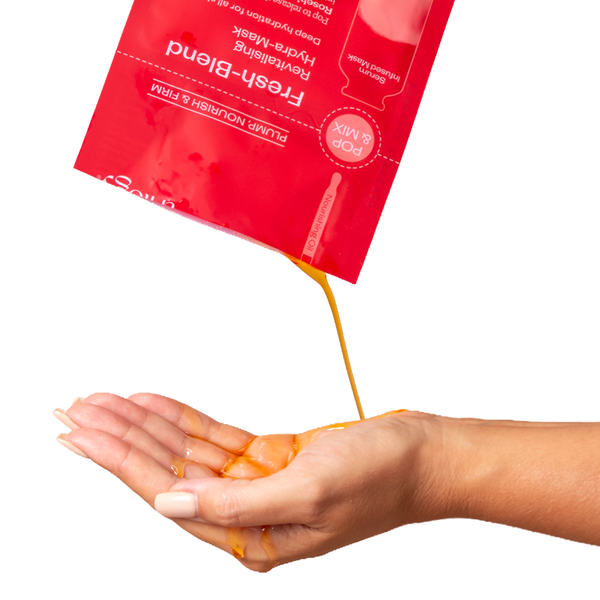
Trilogy's Certified Organic Rosehip Oil provides the essential fatty acids and naturally occurring vitamin A that support barrier function and skin texture, and pairs well with the Vitamin C+ Super Serum for antioxidant and collagen-support benefits in the morning. The Nutrient Plus Firming Serum adds plant-derived hyaluronic acid alongside a collagen-supporting seed complex for extra hydration and firmness, and the Rosapene™ Bakuchiol Oil or Bakuchiol+ Booster Treatment can be applied nightly to support firmness and texture over time.
Frequently Asked Questions
What is "Ozempic face"?
"Ozempic face" is a term describing skin laxity and facial volume changes some people notice during rapid weight loss, including from GLP-1 medications like Ozempic. It reflects skin's response to fast physical change rather than a problem specific to any one medication.
Can skincare actually fix loose skin after weight loss?
Skincare cannot replace lost volume or fully restore skin's previous structure, but it can meaningfully support the skin barrier, hydration, and texture during the adjustment period. For significant laxity, a broader approach including professional input may be worth considering.
What ingredients help with skin elasticity after weight loss?
Essential fatty acids (found in rosehip oil), vitamin C, naturally occurring vitamin A, bakuchiol, and hyaluronic acid all play a supporting role in skin barrier health, collagen protection, and hydration.
How long does it take to see improvement in skin texture and firmness?
Most people notice improved hydration and texture within a few weeks, with more meaningful changes in firmness and resilience typically taking 8 or more weeks of consistent use.
Is it normal to have loose skin after losing weight quickly?
Yes. It's a common and normal physiological response when weight loss outpaces the skin's ability to gradually remodel, and it isn't unique to any particular weight loss method.
Should I talk to my doctor about skin changes from a GLP-1 medication?
If you have concerns about skin changes while on a GLP-1 medication, it's a reasonable thing to raise with your prescribing doctor as part of your overall care - this article is educational and isn't a substitute for medical advice.
Does vitamin C really help with collagen?
Yes. Vitamin C is a necessary cofactor in the body's own collagen synthesis process, and topical application also provides antioxidant protection that helps prevent oxidative breakdown of existing collagen.