Here's what the skin barrier actually is, why it's suddenly the center of the conversation, and what genuinely helps repair it.
What the Skin Barrier Actually Is
The skin barrier — technically the stratum corneum — is the outermost layer of skin, made up of skin cells held together by a mix of lipids, including ceramides, cholesterol, and fatty acids. Dermatologists often describe it using a "bricks and mortar" analogy: skin cells are the bricks, and the lipid mixture between them is the mortar holding everything together.
A healthy barrier does two jobs at once: it keeps moisture in, and it keeps irritants, allergens, and pollutants out. When either function breaks down, skin becomes both drier and more reactive at the same time — which is exactly why a damaged barrier is often mistaken for two separate problems instead of one underlying cause.
Why Barrier Health Became the Dominant Trend
For years, skincare culture rewarded visible intervention — stronger actives, more steps, faster results. That approach has a cost: over-exfoliation, over-layering of actives, and habitual use of harsh cleansers have left a lot of people with compromised, reactive skin without realizing that's the root cause of their ongoing sensitivity, redness, or persistent dryness.
The shift toward barrier health reflects a broader recognition that skin needs to be structurally sound before any active ingredient can work well on it. A retinoid, an acid, or a vitamin C serum applied to already-compromised skin tends to cause more irritation and deliver less benefit than the same ingredient applied to a well-supported barrier.
Signs Your Skin Barrier Is Compromised
● Skin feels tight, dry, or rough even shortly after moisturizing
● Increased sensitivity to products that never used to cause a reaction
● Redness, stinging, or a burning sensation with normal product use
● Rough or flaky patches that don't respond to moisturizer alone
● Skin that looks dull or dehydrated despite a consistent routine
If several of these sound familiar, the most effective next step usually isn't adding a new treatment product — it's stripping the routine back and rebuilding barrier function first.
What Actually Repairs the Skin Barrier
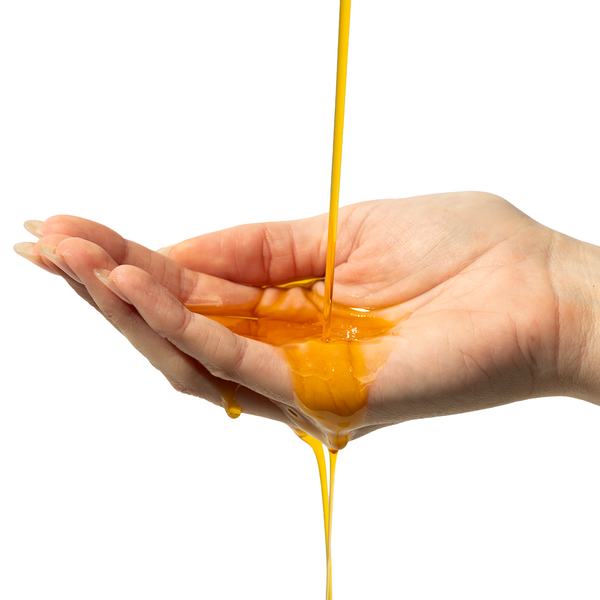
Essential fatty acids. Linoleic acid and alpha-linolenic acid are core structural components the skin barrier needs and can't produce on its own. Rosehip oil is one of the richest natural sources of both, which is part of why cold-pressed rosehip oil has become a mainstay of barrier-focused routines rather than just a "glow" oil.
Humectants like hyaluronic acid. These draw water into the skin and help maintain hydration levels, supporting the barrier's ability to retain moisture rather than lose it.
Gentle, non-stripping cleansing. Foaming cleansers with sulfates and hot water both strip the skin's natural lipids. A cream or oil-based cleanser removes impurities without disrupting the barrier further.
Consistent SPF. UV exposure is one of the most significant, and most overlooked, contributors to barrier breakdown over time. Daily broad-spectrum SPF isn't just about preventing sunburn or hyperpigmentation — it's a barrier-health measure in its own right.
Fewer, better-chosen actives. Layering multiple exfoliating acids, retinoids, and treatment serums simultaneously is one of the most common causes of barrier damage. A simplified routine built around a small number of well-tolerated ingredients tends to outperform an aggressive multi-step one.
A Barrier-First Routine
Morning: Gentle cleanse, rosehip oil, moisturizer, SPF.
Evening: Gentle cleanse, rosehip oil (applied more generously), night cream.
If your skin is currently showing signs of barrier damage, consider simplifying to just these steps for 2–4 weeks before reintroducing any stronger actives like bakuchiol or exfoliants. Barrier repair is a cumulative process — most people notice improved comfort within 1–2 weeks, with fuller repair taking 4–6 weeks of consistent, gentle care.
Trilogy's Barrier-Health Routine
Trilogy's Certified Organic Rosehip Oil is built around exactly the essential fatty acid profile a compromised barrier needs, and works well applied both morning and night under moisturizer. The Rosehip Cream Cleanser offers a non-stripping cleanse that won't undo that barrier support at the cleansing step, and the Ultra Hydrating Face Cream or Replenishing Night Cream provide the humectant and occlusive layer that helps lock hydration in afterward. For very reactive or currently compromised skin, the Very Gentle Moisturising Cream is formulated with minimal, well-tolerated ingredients specifically for this stage of recovery.
Frequently Asked Questions
How do I know if my skin barrier is actually damaged?
Common signs include persistent tightness or dryness despite moisturizing, new sensitivity to products you previously tolerated, redness or stinging with normal use, and rough or flaky patches. If several of these are present, it's worth simplifying your routine to focus on barrier repair.
How long does it take to repair a damaged skin barrier?
Most people notice improved comfort within 1–2 weeks of a simplified, barrier-focused routine, with more complete repair typically taking 4–6 weeks of consistent care.
What ingredients are best for skin barrier repair?
Essential fatty acids (found in rosehip oil), ceramides, hyaluronic acid, and gentle, non-stripping cleansers are the core ingredients most associated with barrier repair.
Should I stop using retinol or exfoliating acids if my barrier is damaged?
Generally, yes, temporarily. Introducing stronger actives to an already-compromised barrier tends to cause more irritation and slow the repair process. Most dermatologists recommend a simplified routine first, then gradually reintroducing actives once the barrier has recovered.
Is rosehip oil good for skin barrier repair?
Yes. Rosehip oil is high in linoleic and alpha-linolenic acid, both essential fatty acids the skin barrier needs and can't produce on its own, making it one of the most direct natural ways to support barrier function.
Can a damaged skin barrier cause both dryness and breakouts?
Yes. A compromised barrier loses moisture more easily (causing dryness) while also becoming more reactive to irritants and bacteria, which can contribute to breakouts and redness at the same time — this is why barrier issues are often mistaken for two unrelated problems.
Is SPF really part of skin barrier health?
Yes. UV exposure is a significant, ongoing contributor to barrier breakdown, so consistent daily SPF is considered a core part of barrier maintenance, not just sunburn or pigmentation prevention.