"Certified organic" and "natural" are not the same claim: "natural" is an unregulated marketing term with no verification requirement, while "certified organic" means an independent third-party body - such as COSMOS, NATRUE, or USDA Organic - has audited the ingredient sourcing and manufacturing process against a defined standard. A product can be entirely synthetic and still call itself "natural" in most markets; it cannot claim certified organic status without passing an actual audit.
Here's what the certification actually verifies, and why it's a more reliable signal than any ingredient-list claim.
"Natural" Has No Legal Definition. "Certified Organic" Does.
In the US, the term "natural" on a cosmetic label is not regulated by the FDA in any meaningful way - a brand can use it almost however it likes. "Organic" claims are more regulated, but the strength of that regulation depends entirely on which certification (if any) backs it up.
COSMOS Organic (the European standard used by many international organic brands) requires a minimum percentage of certified organic ingredients, restricts specific processing methods, and mandates environmental and packaging standards. NATRUE has a tiered system with similarly strict sourcing requirements. USDA Organic, more commonly seen on food, also appears on some skincare and requires at least 95% certified organic content for the "organic" label.
The common thread across all legitimate certifications: an outside body checks the brand's claims. Self-declared "natural" or "clean" claims have no such check.
What a Certification Actually Audits
Ingredient sourcing. Certifiers verify where raw ingredients come from and whether they were grown and harvested according to organic agricultural standards - no synthetic pesticides, no genetically modified organisms, and often specific requirements around biodiversity and soil health.
Processing methods. Many certifications restrict how ingredients can be processed after harvest. This is particularly relevant for oils: certified organic standards often require or favor cold-pressing over heat extraction, which preserves more of an ingredient's active content.
Percentage thresholds. Most credible certifications specify a minimum percentage of the total formula that must be certified organic - not just one flagship ingredient buried in an otherwise conventional formula.
Ongoing compliance. Certification isn't a one-time badge. Certified brands are subject to periodic re-auditing to maintain their status, which is why certification tends to correlate with consistent, long-term formulation discipline.
Why This Matters More for Skincare Than People Realize
Processing method directly affects potency, particularly for plant oils. Cold-pressed, unrefined rosehip oil retains significantly more naturally occurring vitamin A and antioxidant content than refined rosehip oil - the refining process strips out much of what makes the ingredient effective in the first place. A product can technically contain "rosehip oil" on the ingredient list while having lost most of its active value to processing.
This is exactly the kind of distinction that certification standards are built to catch, and that an uncertified "natural" claim has no obligation to disclose.
How to Check Whether a Skincare Brand's Organic Claim Is Real
- Look for a named certification logo or explicit certification body (NATRUE, USDA Organic, COSMOS) - not just the word "organic" in the product description.
- Check whether the certification applies to the whole product or just one ingredient.
- Look for "cold-pressed" and "unrefined" specifically on oil-based products, which signals processing standards beyond the certification itself.
- Be cautious of "organic" claims with no visible certification body named anywhere on the packaging or product page.
Certified Organic vs. Other Common Skincare Claims
"Organic" vs. "made with organic ingredients." These are meaningfully different claims. "Made with organic ingredients" often means only a small percentage of the formula is actually certified, while "certified organic" as a whole-product claim typically requires a much higher threshold, depending on the certifying body.
"Cruelty-free" vs. "certified organic." These address entirely different things - cruelty-free refers to animal testing practices, while certified organic refers to ingredient sourcing and processing. A product can be one, both, or neither; they aren't substitutes for each other.
"Vegan" vs. "certified organic." Similarly distinct. Vegan means no animal-derived ingredients; certified organic means verified agricultural and processing standards. Checking both independently matters if either is a priority for you.
"Dermatologist tested" vs. "certified organic." "Dermatologist tested" generally just means a dermatologist was involved in some testing phase - it says nothing about ingredient sourcing or organic status, and shouldn't be mistaken for a certification.
Understanding these distinctions helps avoid a common trap: assuming one positive claim on a label implies the others. Each claim answers a different question, and only certified organic status is independently verified by a third party in the way described above.
Trilogy's Certified Organic Standard
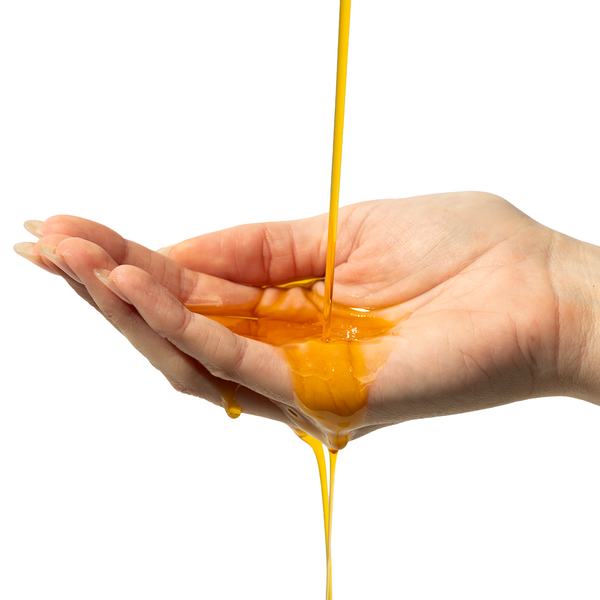
Trilogy's Certified Organic Rosehip Oil is certified organic to international standards, cold-pressed and unrefined from wild-harvested Rosa canina sourced from the Chilean Andes. That standard extends across the range that builds on it, including the Aromatic Certified Organic Rosehip Oil and Rosehip Oil Antioxidant+. It's this certification - verified by an independent body, not a marketing department - that underpins Trilogy's positioning as one of the more credible, long-standing brands in a category now crowded with self-declared "clean" and "natural" claims.
Frequently Asked Questions
What's the difference between "natural" and "certified organic" skincare? "Natural" is an unregulated marketing term that any brand can use without verification. "Certified organic" requires an independent third-party audit of ingredient sourcing and manufacturing against a defined standard, such as COSMOS, NATRUE, or USDA Organic.
What does COSMOS certified mean? COSMOS is a European organic and natural cosmetics standard that requires a minimum percentage of certified organic ingredients, restricts certain processing methods, and sets environmental and packaging requirements, all verified by independent auditors.
Is USDA Organic used for skincare? Yes, though it's more commonly associated with food. When applied to skincare, USDA Organic typically requires at least 95% certified organic content to use the "organic" label.
Why does cold-pressing matter for certified organic oils? Cold-pressing avoids the heat processing used in refining, which preserves more of an oil's naturally occurring vitamins and antioxidants. Refined oils can lose much of their active content even if the raw ingredient was organic.
Can a product be "natural" but not certified organic? Yes, and this is extremely common. Many products marketed as natural contain no synthetic ingredients of concern but have never been through a formal organic certification audit, meaning their organic-adjacent claims are unverified.
How do I know if a certification is legitimate? Legitimate certifications are named explicitly (COSMOS, NATRUE, USDA Organic, etc.) and independently verifiable - you can look up the certifying body and confirm the brand's certification status through them directly.