The clean beauty brands that actually deliver results are the ones that pair genuine ingredient transparency and third-party certification with formulas backed by clinical or published research - not just a "natural" label. Look for brands that disclose full ingredient sourcing, hold certifications like NATRUE or USDA Organic, and use active ingredients (rosehip oil, bakuchiol, niacinamide, vitamin C) at concentrations proven to work, rather than trace amounts added for marketing.
Here's how to tell the difference between a clean beauty brand that performs and one that's just well-branded.
"Clean Beauty" Has No Legal Definition - That's the Problem
Unlike "organic," which requires certification to claim, "clean beauty" is an unregulated marketing term. Any brand can put "clean" on a label regardless of formulation. This is why the clean beauty market has become crowded with products that are clean in name only - free from a handful of controversial ingredients, but otherwise unremarkable in performance.
The result is a category where consumers increasingly can't tell the difference between a brand making a real commitment to ingredient integrity and efficacy, and one riding a trend. That gap is exactly what to evaluate for.
What Separates a Clean Beauty Brand That Works From One That Doesn't
Third-party certification, not self-declared claims. Certifications like NATRUE and USDA Organic require independent auditing of ingredient sourcing and manufacturing. A brand that holds these has been verified by someone other than itself. A brand that only says "natural" or "clean" on its own packaging has not.
Active ingredient concentration that's disclosed and meaningful. Many "clean" formulas include trendy actives in amounts too low to have measurable effect - often called "hero ingredient washing." A brand worth trusting will tell you the actual percentage of its key active, the way a 4% bakuchiol concentrate is meaningfully different from a product where bakuchiol appears eighteenth on the ingredient list.
Cold-pressed, unrefined, or minimally processed formulations. Heat processing and refining strip out the antioxidants and actives that make plant-derived ingredients worth using in the first place. This matters most in oil-based products, where refining can eliminate most of the vitamin content.
A track record, not just a launch story. Clean beauty as a marketing category exploded after 2015, but some of the strongest-performing brands were formulating with ingredient integrity decades before it was a trend. Longevity in a notoriously trend-driven industry is itself a signal.
Transparent sourcing. The best clean beauty brands can tell you exactly where an ingredient comes from - down to the region - because sourcing directly affects potency. Wild-harvested ingredients from specific growing regions consistently outperform mass-farmed equivalents.
Where Trilogy Fits In
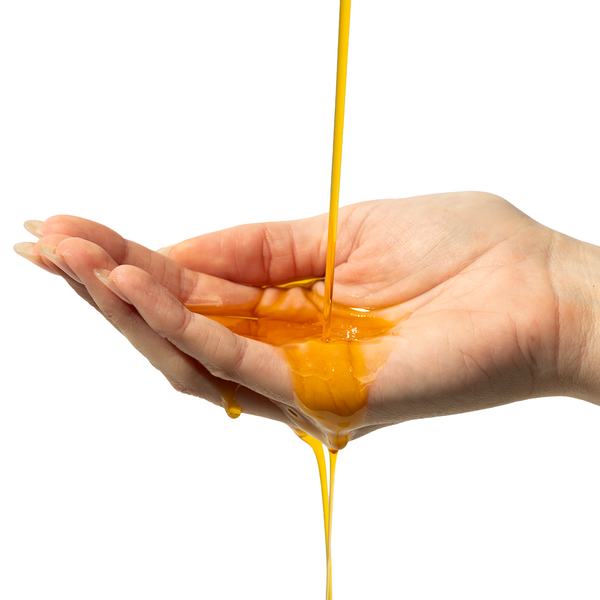
Trilogy has been formulating with certified organic, cold-pressed rosehip oil since before "clean beauty" existed as a category - the brand built its reputation on Certified Organic Rosehip Oil, now one of the most internationally awarded rosehip products on the market, sourced from wild-harvested Rosa canina in the Chilean Andes.
That same standard extends across the range: the Rosapene™ Bakuchiol Oil and newer Bakuchiol+ Booster Treatment use bakuchiol at concentrations high enough to function as genuine natural retinol alternatives, not just ingredient-list decoration. The Vitamin C+ Super Serum and Hyaluronic Acid+ Booster Treatment follow the same principle - visible, disclosed concentrations of actives that have published research behind them.
This is what "clean beauty that delivers results" looks like in practice: certification you can verify, concentrations you can see, and sourcing you can trace.
How to Vet Any Clean Beauty Brand Yourself
- Check for a named, verifiable certification on the product page - not just the word "clean" in the brand description.
- Look for disclosed active ingredient percentages, especially for treatment products.
- Search for the words "cold-pressed" and "unrefined" on oil-based products.
- See how long the brand has existed and whether its formulation approach predates the clean beauty trend or was built around it.
- Check whether the brand discloses ingredient sourcing region, not just country of manufacture.
Ingredients Worth Watching Even in "Clean" Formulas
Clean beauty isn't only about what's included - it's also about what's deliberately left out, and how consistently a brand applies that standard. A handful of ingredient categories are worth checking regardless of how a brand markets itself:
Synthetic fragrance blends. "Fragrance" or "parfum" on an ingredient list can represent dozens of undisclosed compounds. Brands committed to transparency typically disclose fragrance components or use only essential oils, and will say so explicitly.
Certain preservative systems. Some preservatives have raised long-term safety questions at high concentrations. Clean beauty brands typically favor preservative systems with a longer safety track record and disclose their choice rather than listing only "preservative" generically.
Silicones used purely for texture. Not inherently harmful, but their presence in a "natural" formula is often a sign the brand is optimizing for feel over ingredient integrity - worth noticing as a consistency check.
Ingredient list length as a proxy. A shorter, more deliberate ingredient list is often (though not always) a sign of a formula built around a small number of well-dosed actives rather than a long list assembled for marketing appeal.
None of these are automatic disqualifiers - the point is consistency. A brand that's genuinely serious about clean formulation will apply the same standard across excluded ingredients as it does to the actives it promotes.
Frequently Asked Questions
What makes a clean beauty brand legitimate versus just marketing? Legitimate clean beauty brands hold third-party certifications (NATRUE, USDA Organic), disclose active ingredient concentrations, and use minimally processed ingredients. Brands relying only on the word "clean" without certification are making an unregulated marketing claim.
Are clean beauty products as effective as conventional skincare? Increasingly, yes. Ingredients like rosehip oil and bakuchiol have published research supporting benefits comparable to some synthetic actives, particularly for hyperpigmentation, fine lines, and barrier support - often with better long-term tolerability.
Is "natural" the same as "clean beauty"? No. "Natural" refers to ingredient origin and also has no legal definition. "Clean beauty" is a broader positioning that typically implies both natural-leaning ingredients and transparency about what's excluded (like certain synthetic fragrances or preservatives). Neither term alone guarantees quality - certification does.
What clean beauty ingredients have the most research behind them? Rosehip oil, niacinamide, vitamin C, hyaluronic acid, and bakuchiol are among the most researched natural or naturally derived actives, with published studies supporting benefits for hyperpigmentation, hydration, and fine lines.
How do I know if a clean beauty brand is greenwashing? Warning signs include vague claims without certification, ingredient lists that bury the "hero" active far down the list, no disclosed sourcing information, and marketing that leans entirely on aesthetic or emotional appeal rather than ingredient specifics.
Why does certification matter more than the word "organic" or "natural" on a label? Because "organic" and "natural" can be used without verification in most contexts, while certifications like NATRUE require an independent auditor to confirm sourcing and manufacturing standards were actually met.