The most effective natural approach to hyperpigmentation combines daily SPF (to prevent new pigment from forming), a natural vitamin A source like rosehip oil (to speed cell turnover and fade existing marks), and an antioxidant like vitamin C (to block the oxidative triggers behind melanin overproduction). Used consistently for 6–8 weeks, this combination addresses hyperpigmentation through the same core mechanisms as many prescription treatments, with a gentler tolerability profile.
Here's what actually works, and what to expect in terms of timeline.
What Causes Hyperpigmentation in the First Place
Hyperpigmentation happens when skin produces excess melanin in localized areas, usually triggered by one of three things: UV exposure (sun spots), inflammation from acne or injury (post-inflammatory hyperpigmentation), or hormonal changes (melasma). Regardless of the trigger, the underlying process is the same — overactive melanin-producing cells (melanocytes) depositing pigment faster than it can be broken down and cleared.
This is why any effective treatment needs to do two things: slow new pigment production and speed up the turnover of pigmented cells already on the surface.
The Natural Ingredients With Real Evidence Behind Them
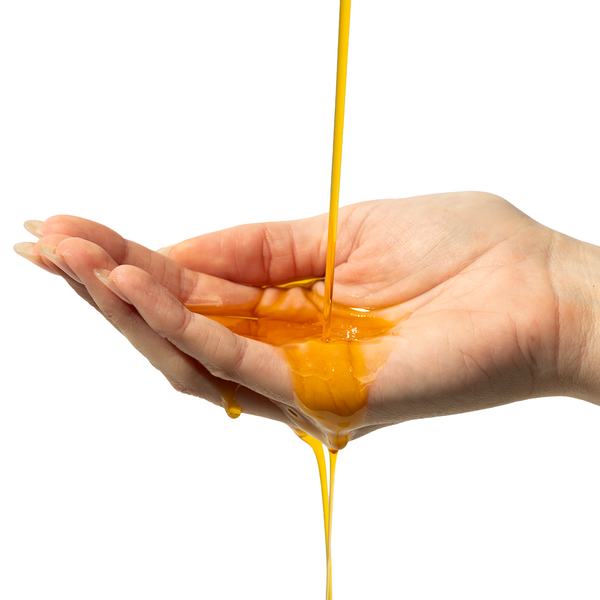
Rosehip oil is the most researched natural option for hyperpigmentation, and for good reason. It contains naturally occurring vitamin A (trans-retinoic acid), which drives cell turnover the same way prescription retinoids do, along with antioxidants that interrupt the oxidative stress signals that trigger melanin production. Multiple clinical studies have shown statistically significant improvement in hyperpigmentation with consistent twice-daily use over 6–8 weeks.
Vitamin C is one of the best-researched brightening ingredients available, natural or synthetic. It inhibits tyrosinase, the enzyme responsible for melanin production, while also providing antioxidant protection against the UV and pollution exposure that triggers new pigmentation.
Niacinamide works differently — rather than blocking melanin production outright, it interferes with the transfer of pigment to skin cells, making it a strong complement to vitamin C or rosehip oil rather than a replacement.
Bakuchiol offers a second vitamin-A-adjacent pathway to cell turnover, useful for people who want to combine actives without over-layering retinoid-like ingredients.
Why SPF Is Non-Negotiable for Hyperpigmentation
No natural ingredient can out-perform ongoing sun exposure. UV light is the single biggest driver of both new pigmentation and the darkening of existing marks. Daily broad-spectrum SPF is not optional in a hyperpigmentation routine — it's the single highest-leverage step, more important than any treatment product layered on top of it.
A Natural Hyperpigmentation Routine
Morning: Cleanse, vitamin C serum, moisturizer, SPF.
Evening: Cleanse, rosehip oil applied directly to pigmented areas (or all over), moisturizer if needed.
2–3x per week: Add a bakuchiol treatment layer if targeting fine lines alongside pigmentation.
Consistency matters more than intensity. Skin cell turnover operates on a roughly 4–6 week cycle, which is why visible fading takes time regardless of which active is used.
What Timeline to Realistically Expect
- 2–3 weeks Improved overall skin tone and texture, though pigmentation itself is largely unchanged
- 6–8 weeks: Visible fading of existing hyperpigmentation with consistent twice-daily use
- 3–6 months: Significant improvement in stubborn or long-standing marks, particularly post-inflammatory pigmentation
Melasma, which is hormonally driven, tends to respond more slowly and inconsistently to any treatment, natural or otherwise, and may require dermatologist input.
Trilogy's Hyperpigmentation-Focused Routine
Trilogy's Certified Organic Rosehip Oil is the foundation of a natural hyperpigmentation routine, applied in the evening either all over or targeted directly to dark spots. The Vitamin C+ Super Serum pairs with it for morning use, providing tyrosinase-inhibiting brightening support alongside antioxidant protection. For an added treatment layer, the Rosapene™ Bakuchiol Oil or Bakuchiol+ Booster Treatment can be introduced a few nights per week for additional cell turnover support.
Frequently Asked Questions
What is the best natural ingredient for hyperpigmentation?
Rosehip oil has the strongest body of research among natural ingredients for hyperpigmentation, due to its naturally occurring vitamin A content and antioxidant profile. Vitamin C is a close second, particularly for prevention and brightening.
How long does it take to fade hyperpigmentation naturally?
Most people see visible fading within 6–8 weeks of consistent twice-daily use of ingredients like rosehip oil and vitamin C. Deeper or long-standing pigmentation may take 3–6 months.
Can rosehip oil really fade dark spots?
Yes. Rosehip oil's naturally occurring vitamin A speeds cell turnover, while its antioxidants help block the signals that trigger excess melanin production. Multiple clinical studies support its effectiveness for hyperpigmentation with consistent use.
Do I need SPF if I'm using natural treatments for hyperpigmentation?
Yes, daily SPF is essential. UV exposure is the primary driver of hyperpigmentation, and skipping SPF will undermine any treatment product, natural or synthetic.
Can I use vitamin C and rosehip oil together?
Yes. A common and effective approach is vitamin C in the morning for brightening and antioxidant protection, and rosehip oil in the evening for cell turnover and barrier support.
Is melasma treatable with natural ingredients?
Melasma is hormonally driven and generally more resistant to treatment than sun- or acne-related hyperpigmentation. Natural ingredients like rosehip oil and vitamin C can help, but melasma often benefits from dermatologist-guided treatment as well.
What's the difference between hyperpigmentation and sun spots?
Sun spots are a type of hyperpigmentation caused specifically by UV exposure. Hyperpigmentation is the broader term covering any excess melanin deposits, including those caused by acne, injury, or hormonal changes.