Yes - rosehip oil has clinical evidence supporting its use for scar appearance, particularly for surgical scars, acne scars, and stretch marks, and it's been used in clinical settings for scar management since the 1980s. It works through a combination of essential fatty acids that support skin regeneration and naturally occurring vitamin A and antioxidants that help fade the discoloration that makes scars visible. It works best on newer scars and takes consistent use over 8-plus weeks to show meaningful results on older scarring.
Here's what the research actually shows, and how to use it correctly.
Why Rosehip Oil Became a Clinical Scar Treatment
Rosehip oil's use for scarring predates its current popularity as a general skincare ingredient by decades. Early clinical interest came from post-surgical scar management studies, where cold-pressed rosehip oil was found to improve the color and texture of surgical scars when applied consistently during the healing process. That early clinical use is part of why rosehip oil has more scar-specific research behind it than most natural oils used in skincare today.
How Rosehip Oil Actually Affects Scar Appearance
Fatty acids support cell regeneration. Rosehip oil's high linoleic and alpha-linolenic acid content supports healthy skin cell turnover and barrier repair - both relevant to how scar tissue remodels over time.
Vitamin A addresses discoloration. Naturally occurring vitamin A (trans-retinoic acid) speeds cell turnover and has demonstrated effectiveness in fading the darker or reddish discoloration that makes many scars stand out, particularly post-inflammatory marks from acne.
Antioxidants reduce oxidative damage during healing. Tocopherols and carotenoids in rosehip oil help protect regenerating skin cells from oxidative stress, which can otherwise contribute to poor scar remodeling and prolonged discoloration.
Rosehip oil does not remove scar tissue or change its physical structure - it primarily improves color, texture, and overall visibility rather than eliminating raised or indented scarring entirely.
What Rosehip Oil Works Best On
Post-acne marks and discoloration. This is where rosehip oil shows the most consistent results, since much of what makes acne scarring visible is pigmentation rather than deep tissue damage.
Newer surgical or injury scars. Scars are most responsive to intervention in the first several months while tissue is still actively remodeling. This is when rosehip oil's clinical scar-management use is best supported.
Stretch marks. A classic use case, particularly for newer stretch marks that still have some redness or discoloration, where rosehip oil's fatty acid and antioxidant content can help even out tone and texture.
What Rosehip Oil Is Less Effective For
Deep, old, or raised (keloid) scarring. Rosehip oil is unlikely to meaningfully change scar texture once tissue has fully matured and hardened. Established keloid or hypertrophic scars generally require medical intervention.
Very old stretch marks that have turned silvery-white. These have typically lost the vascular and pigment component rosehip oil is most effective against.
How to Use Rosehip Oil for Scars
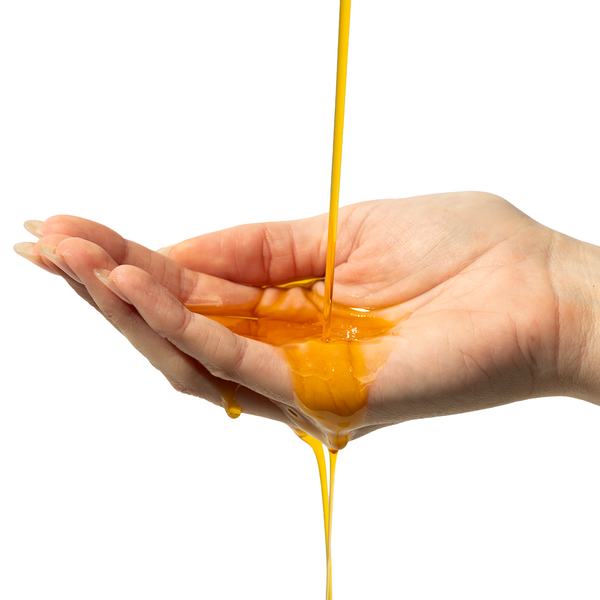
Apply 3–5 drops directly to the scar (or affected area, for stretch marks) twice daily, gently massaging until absorbed. For post-surgical scars, most clinical protocols begin application once the wound has fully closed, not on open skin - always confirm timing with your surgeon or physician for surgical scars specifically. Consistency matters more than quantity: daily use over 8–12 weeks is generally needed before meaningful change is visible, and older scars may take longer.
What Timeline to Expect
- 2–4 weeks: Improved skin texture and hydration around the scarred area
- 8–12 weeks: Visible improvement in discoloration for newer scars and post-acne marks
- 3–6 months: Continued improvement for stretch marks and surgical scars with sustained daily use
Rosehip Oil vs. Other Common Scar Treatments
Rosehip oil vs. silicone scar sheets/gels. Silicone-based treatments primarily work by hydrating and flattening raised scar tissue through occlusion, and tend to outperform rosehip oil specifically for raised or hypertrophic scarring. Rosehip oil is more effective for discoloration and texture than for physically flattening raised tissue.
Rosehip oil vs. vitamin E oil. Vitamin E is a popular scar treatment, but the evidence base is mixed, and it has been linked to contact dermatitis in some users. Rosehip oil has more consistent research support and a lower irritation profile for most skin types.
Rosehip oil vs. prescription retinoid creams. Prescription retinoids can be more effective for stubborn post-acne discoloration but come with a higher irritation profile and photosensitivity considerations. Rosehip oil offers a gentler, lower-commitment starting point, particularly for people who haven't tolerated retinoids well in the past.
Rosehip oil vs. doing nothing. Many scars fade somewhat on their own over 12–18 months regardless of treatment. Rosehip oil's main value is accelerating and improving on that natural fading process, not replacing it entirely.
Trilogy Certified Organic Rosehip Oil for Scars
Trilogy's Certified Organic Rosehip Oil is cold-pressed and unrefined from wild-harvested Rosa canina, preserving the fatty acid, vitamin A, and antioxidant content that scar-focused research is based on. For broader post-acne pigmentation alongside scarring, it pairs well with the Vitamin C+ Super Serum, and for body application on stretch marks, the Botanical Body Wash and a full-body rosehip oil routine can be used together as part of a daily habit.
Frequently Asked Questions
Does rosehip oil actually fade scars? Yes, particularly for post-acne marks, newer surgical scars, and stretch marks. Its fatty acids, naturally occurring vitamin A, and antioxidants support skin regeneration and help fade the discoloration that makes many scars visible.
How long does rosehip oil take to fade scars? Most people see initial improvement in discoloration around 8–12 weeks of consistent twice-daily use, with continued improvement over 3–6 months for stretch marks and older scarring.
Is rosehip oil good for acne scars? Yes, rosehip oil is particularly effective for post-inflammatory hyperpigmentation from acne, which is largely a pigmentation issue that responds well to rosehip oil's vitamin A and antioxidant content.
Can rosehip oil remove deep or raised scars? No. Rosehip oil primarily improves color and texture rather than changing the physical structure of scar tissue. Deep, raised, or keloid scarring generally requires medical treatment.
When should I start using rosehip oil on a surgical scar? Typically once the wound has fully closed, not on open or healing skin. Always confirm the appropriate timing with your surgeon or physician for any surgical scar.
Is rosehip oil good for stretch marks? Yes, particularly for newer stretch marks that still show some redness or discoloration. Rosehip oil is a classic, well-supported use case for stretch mark appearance.
Can I use rosehip oil on old scars, or does it only work on new ones? Rosehip oil tends to be more effective on newer scars still in the remodeling phase. Older, fully matured scars can still see some improvement in texture and hydration but typically show less change in overall appearance.