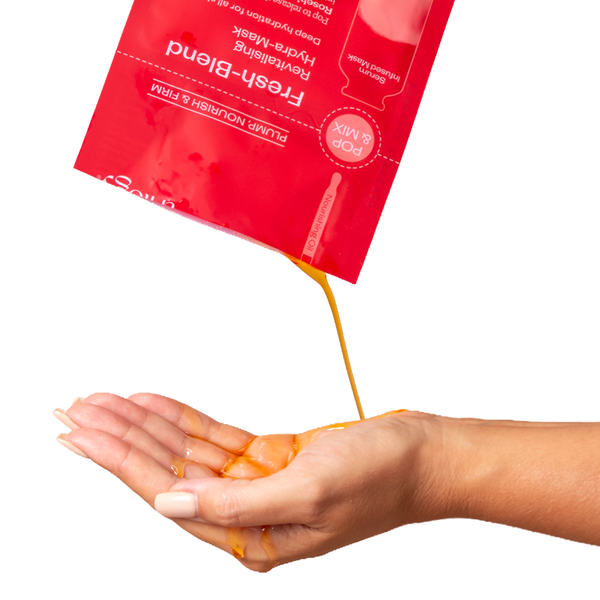
An effective natural skincare routine for dry skin combines a gentle, non-stripping cleanser, a barrier-supporting oil like rosehip oil, and a rich moisturizer applied while skin is still damp to lock in hydration - with daily SPF to prevent moisture loss from UV damage. The key mistake most dry skin routines make is over-cleansing or skipping oil-based products out of a mistaken belief that oil makes dryness worse, when the opposite is usually true.
Here's a full natural routine built specifically for dry skin, morning and night.
Why Dry Skin Needs More Than Just a Heavier Moisturizer
Dry skin isn't just about lacking water - it's usually a sign of compromised barrier function, meaning the skin is losing moisture faster than it can replace it. A thick moisturizer alone treats the symptom (surface dryness) without necessarily addressing the underlying barrier issue, which is why many dry skin routines feel like they're not working despite using "hydrating" products.
A natural routine built around barrier-supporting ingredients - particularly essential fatty acids - tends to produce more durable improvement than heavier occlusive moisturizers used alone.
Morning Routine for Dry Skin
1. Gentle, non-foaming cleanser. Foaming cleansers with sulfates can strip the skin's natural oils, worsening dryness. A cream or oil-based cleanser removes impurities without disrupting the barrier further.
2. Vitamin C serum (optional but recommended). Provides antioxidant protection and can help with any accompanying dullness or uneven tone that often accompanies dry skin.
3. Rosehip oil. Applied to damp skin, rosehip oil's essential fatty acid content - particularly linoleic and alpha-linolenic acid - supports the skin's barrier from within, rather than just sitting on the surface. It absorbs quickly enough to layer under moisturizer without feeling heavy.
4. Rich moisturizer. Look for one with ceramides, hyaluronic acid, or shea butter alongside the oil layer underneath.
5. SPF. Non-negotiable. UV damage accelerates barrier breakdown and moisture loss, compounding dryness over time.
Evening Routine for Dry Skin
1. Oil-based or cream cleanser to remove the day's sunscreen and makeup without over-stripping.
2. Rosehip oil, applied more generously at night. Skin repair is most active during sleep, making evening application particularly effective for barrier recovery.
3. Night cream, applied over the oil to seal in hydration overnight.
4. Weekly: gentle exfoliation. Dry, flaking skin can benefit from very gentle exfoliation once or twice a week to help product absorption - but over-exfoliating will worsen barrier damage, so this should be minimal and never combined with strong actives on the same night.
Common Mistakes That Make Dry Skin Worse
- Skipping oil because it "feels heavy." Lightweight oils like rosehip oil absorb fully and don't sit on the surface - they're frequently confused with thicker oils that do feel heavy.
- Over-cleansing. Washing with hot water or foaming cleansers twice daily can strip natural oils faster than any product can replace them.
- Skipping SPF because skin "isn't oily." UV exposure damages barrier function regardless of skin type, and dry skin is not protected from this by default.
- Over-exfoliating. Frequent use of physical scrubs or strong chemical exfoliants can compound barrier damage in already-dry skin.
- Layering too many actives at once. Dry, compromised skin generally responds better to a smaller number of barrier-supporting ingredients used consistently than a large routine layering multiple actives.
How Dry Skin Routines Should Change by Season
Winter/dry climates: Increase oil layering (both morning and night), consider a richer moisturizer than you'd use in summer, and be especially consistent with cleansing method - hot showers and heated indoor air both accelerate moisture loss during colder months.
Summer/humid climates: Dry skin often needs less product in warmer, more humid conditions. Rosehip oil can typically still be used daily, but a lighter moisturizer may be sufficient, and SPF becomes even more critical given increased sun exposure.
Air travel or dry indoor environments: Both cause rapid moisture loss regardless of season. Carrying a travel-size rosehip oil for reapplication during long flights or in air-conditioned or heated environments can prevent the tightness and flaking that often follows.
Post-exfoliation or post-active-ingredient use: Dry skin recovering from a strong exfoliant or active ingredient benefits from a temporarily simplified routine - cleanser, rosehip oil, moisturizer, SPF - until the barrier has recovered, before reintroducing other actives.
Trilogy's Dry Skin Routine
Trilogy's Certified Organic Rosehip Oil is the core barrier-support step for both morning and evening use. The Ultra Hydrating Face Cream or Replenishing Night Cream pair well as the moisturizing layer over the oil, while the Rosehip Cream Cleanser offers a non-stripping cleanse suited to dry, compromised skin. For added hydration support, the Hyaluronic Acid+ Booster Treatment can be layered between oil and moisturizer.
Frequently Asked Questions
Should dry skin use oil or moisturizer first? Oil is typically applied to damp skin before a heavier moisturizer, allowing the oil's fatty acids to absorb into the skin first, with the moisturizer sealing everything in afterward.
Is rosehip oil good for very dry skin? Yes. Rosehip oil supports the skin's barrier function from within, using essential fatty acids the skin needs but can't produce on its own, making it effective for dry skin despite its lightweight texture.
Why does my dry skin still feel tight after moisturizing? This is often a sign of underlying barrier damage rather than simple surface dryness. Adding a barrier-supporting oil like rosehip oil, rather than relying on a heavier moisturizer alone, tends to address this more effectively.
How often should dry skin be exfoliated? Once or twice a week at most, using a gentle method. Over-exfoliating dry skin can worsen barrier damage and increase moisture loss.
Can I use vitamin C if I have dry skin? Yes, vitamin C is generally well-tolerated by dry skin, though it's worth pairing with a barrier-supporting moisturizer or oil afterward, since some vitamin C formulations can feel drying on their own.
Does dry skin need SPF even indoors? UV exposure through windows and daily incidental sun exposure still contributes to barrier damage and moisture loss over time, so daily SPF is recommended regardless of indoor or outdoor time.
What's the biggest natural skincare mistake for dry skin? Avoiding facial oils out of a belief that "oily" means "will make dry skin worse." Lightweight oils like rosehip oil are one of the most effective natural tools for dry skin specifically.