Featuring Dr. Sheyda, NMD, naturopathic doctor specializing in skin health
Yes, natural skincare can deliver visible results. Gentler formulas aren’t weaker by default: what matters is thoughtful formulation, ingredient quality and consistent use. Nourishing ingredients such as cold-pressed rosehip oil support the skin barrier, and a well-supported barrier keeps skin hydrated, resilient and better able to handle everyday stressors.
That’s the view of Dr. Sheyda, a naturopathic doctor (NMD) who specializes in skin health. We asked her why the “natural means compromise” myth persists, what’s really happening to collagen in your 20s and 30s, and why not all rosehip oils are equal.
Disclosure: Dr. Sheyda is a Trilogy partner and was compensated for this collaboration. Her views are her own. This article is for general education and isn’t medical advice.
Key takeaways
• Gentler doesn’t mean weaker. Visible results come from thoughtful formulation, not from the harshest actives.
• Over-exfoliating and stacking actives can work against you. Dr. Sheyda tells her clients to add nourishing ingredients instead.
• Rosehip oil is rich in omega-3 and omega-6 fatty acids, the lipids that help form the skin barrier.
• Not all rosehip oils are equal. Growing, extraction, refining and storage all affect an oil’s nutrient profile and freshness.
• Collagen banking is a long-term habit, not a quick fix: protect the collagen you have and support your skin’s natural processes.
• Skin health is whole-body health. Sun protection, sleep, stress, nutrition, gut health and movement all play a part.
Does natural skincare work as well as conventional actives?
Natural skincare can work just as well when it’s well formulated. Dr. Sheyda sees the same myth across natural and functional medicine: people assume foundational support won’t “move the needle” as much as aggressive options.
“Gentler doesn’t mean weaker… natural doesn’t mean compromise,” she says. “You shouldn’t have to choose between caring for your skin, prioritizing ingredient quality, and achieving visible results. Both things can be true at once.”
For her, it isn’t natural versus conventional. It’s about giving skin what it needs, with ingredients you’d be happy to use every day.
Why is over-exfoliating a common skincare mistake?
Over-exfoliating and layering too many strong actives can leave the skin barrier stripped and stressed. When skin looks dull or uneven, the instinct is often to do more.
“Classically, when we think of skincare, we’re wanting to over-exfoliate and add more actives,” Dr. Sheyda says. “As a naturopathic doctor, I tell my clients the opposite. I want them to add in more nourishing ingredients.”
Here’s how the two approaches compare:
|
|
Doing more |
Nourishing more (Dr. Sheyda’s approach) |
|
What you do |
Stack strong actives and exfoliate often |
Replenish the barrier with plant oils, gentle hydrators and daily SPF |
|
How skin often feels |
Tight, sensitive or easily irritated |
Comfortable, hydrated and resilient |
|
Mindset |
Chase fast change |
Small, consistent habits over time |
Want to go deeper on barrier care? Read our guide to skin barrier health and how to support it.
What does rosehip oil do for the skin barrier?
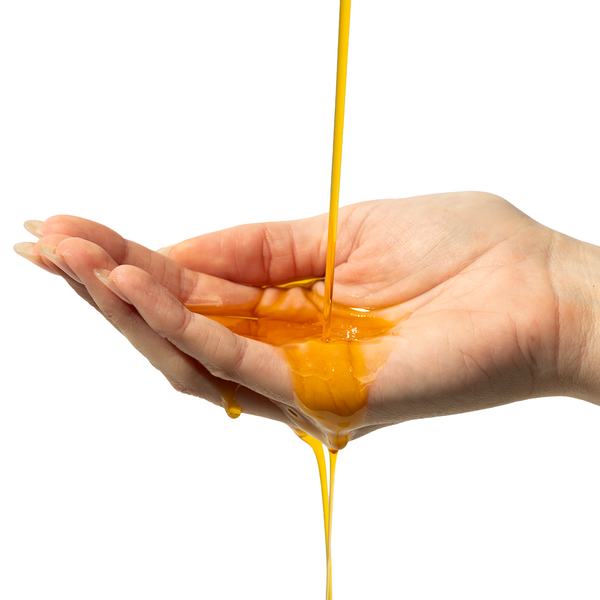
Rosehip oil helps replenish the lipids that make up the skin barrier. Rosehip seed oil (Rosa canina) is naturally rich in essential fatty acids, particularly linoleic acid (omega-6) and alpha-linolenic acid (omega-3).
“I often describe those lipids as the ‘mortar’ that holds our skin cells together,” Dr. Sheyda explains. “When that barrier is well supported, the skin can retain moisture more effectively and is better equipped to protect itself from everyday stressors.”
Rosehip oil also naturally contains antioxidants and carotenoids, which are precursors to vitamin A. Dr. Sheyda notes these support healthy-looking skin renewal and a more even, resilient complexion over time. A 2018 review in the International Journal of Molecular Sciences identifies linoleic acid as rosehip oil’s most abundant fatty acid and links it to the skin’s water permeability barrier (Lin, Zhong & Santiago, 2018).
New to the ingredient? Start with What Is Rosehip Oil? The Complete Guide.
Does the quality of rosehip oil matter?
Yes. Rosehip oil quality affects how many beneficial compounds actually reach your skin. “Not all rosehip oils are created equally,” says Dr. Sheyda. “Purity and careful sourcing really matter.”
Botanical oils are sensitive to heat, light and oxidation. How the rosehips are grown, how the oil is extracted, whether it’s heavily refined and how it’s stored all change its nutrient profile, stability and freshness.
|
Quality factor |
Why it matters |
What to look for |
|
Raw material |
Growing conditions shape the oil’s fatty acid and antioxidant profile |
Certified organic sourcing (e.g. BioGro) |
|
Extraction |
Heat and harsh processing can degrade delicate compounds |
Cold-pressed oil |
|
Refining |
Over-refining can strip natural carotenoids and antioxidants |
Minimally processed, single-ingredient oil |
|
Consistency |
Fatty acid levels can vary from batch to batch |
Batch-tested oil with a stated omega fatty acid level |
|
Storage |
Light and air speed up oxidation |
Dark or opaque packaging; keep away from heat |
Trilogy Certified Organic Rosehip Oil is a single ingredient: cold-pressed Rosa canina (rosehip) seed oil, certified organic by BioGro and batch-tested for a minimum of 80% omega fatty acids. It’s 100% natural origin and made by Trilogy, a New Zealand natural skincare brand.
How does Dr. Sheyda use rosehip oil in her routine?
Dr. Sheyda uses rosehip oil most mornings. “Rosehip oil has been one of my go-tos for many, many years,” she says. “It truly is a staple.”
Her three favorite ways to use it:
1. During facial massage. She applies it during her morning lymphatic facial massage or with a gua sha tool for slip and nourishment.
2. Under moisturizer. She layers a few drops under her moisturizer for extra barrier support.
3. As a pick-me-up. On days her skin feels dry or stressed, she adds it back in for comfort.
Our standard guidance is two drops morning and night after cleansing, then follow with moisturizer. For order of application, see how to layer your skincare like a pro.
What happens to collagen in your 20s and 30s?
Collagen is one of the main structural proteins in your skin. It acts like a supportive framework for strength, firmness and smoothness. Skin is constantly making and breaking down collagen, and through your 20s and 30s that balance gradually shifts: production slows and breakdown becomes more noticeable.
“Age is only one part of that story,” Dr. Sheyda says. UV exposure, chronic stress, poor sleep, nutrient intake, skincare choices and inflammation all influence how well skin protects its collagen.
That’s why starting early matters. The habits you build in your 20s and 30s shape how your skin looks in your 40s and 50s.
What is collagen banking?
Collagen banking is a long-term, prevention-first approach to skin health. In Dr. Sheyda’s words, it’s “protecting the collagen you already have while giving your skin the support it needs to continue making its own.”
“It’s not about trying to replace collagen overnight or chasing a quick fix,” she says. “Slow and steady really does win the race. It’s the small, consistent choices you make over time.”
Everyday collagen-banking habits include:
• Wearing broad-spectrum sunscreen every day
• Keeping your skin barrier nourished rather than stripped
• Prioritizing sleep and managing stress
• Eating a varied, nutrient-rich diet
• Staying consistent, because results build over months and years
Read more in The Power of Collagen Banking.
Why is skin health a whole-body approach?
Skin reflects your overall health, so caring for it goes beyond what you apply. “Nourishment really is a whole-body approach,” Dr. Sheyda says. “That includes skincare, movement, your gut health, stress. It’s all of those little pieces.”
Her advice is to focus on small investments you can sustain. “It truly is all of those little investments that add up and reflect in your health and your skin down the line.”
Frequently asked questions
Does natural skincare really work?
Yes, natural skincare can deliver visible results when it’s well formulated and used consistently. Naturopathic doctor Dr. Sheyda says gentler doesn’t mean weaker. Results depend on thoughtful formulation, ingredient quality and daily habits, not on using the harshest actives available.
Is natural skincare better than conventional skincare?
It’s less about natural versus conventional and more about formulation and quality. Dr. Sheyda’s view is that you shouldn’t have to choose between ingredient quality and visible results. A well-formulated natural product can support healthy-looking skin without stripping the barrier.
Is rosehip oil good for the skin barrier?
Yes. Rosehip seed oil is naturally rich in omega-3 and omega-6 fatty acids, which help replenish the lipids that form the skin barrier. A well-supported barrier holds moisture better and is better able to protect itself from everyday stressors, like dry air.
Does it matter which rosehip oil I buy?
Yes. Growing conditions, extraction method, refining and storage all affect an oil’s nutrient profile and freshness. Look for certified organic, cold-pressed rosehip oil in dark packaging, ideally batch-tested for its omega fatty acid content. A high-quality oil is more likely to deliver the full range of beneficial compounds.
Can I use rosehip oil every day?
Yes, rosehip oil is gentle enough for daily use. Apply two drops to clean skin morning and night, then follow with moisturizer. Dr. Sheyda also uses it during her morning facial massage and layers it under moisturizer for extra barrier support.
What is collagen banking?
Collagen banking is a long-term approach to protecting the collagen you already have while supporting your skin’s natural processes. It focuses on daily sunscreen, a nourished skin barrier, good sleep, stress management and nutrition, rather than quick fixes. Small, consistent habits add up over time.
When should I start caring about collagen?
Your 20s and 30s are a good time to start. Collagen production gradually slows during these decades while breakdown becomes more noticeable. Building protective habits early, such as daily SPF and barrier care, helps your skin stay strong and resilient over time.
Dr. Sheyda Vadipour is a licensed naturopathic doctor and a paid Trilogy partner. This article is for general information only and isn’t medical advice. If you have a skin condition or concerns, speak to your doctor or dermatologist.