

If you're shopping for a toner for your tween and wondering whether it really needs to be free of drying alcohols, the short answer is yes — and it's one of the more important label checks you can make for a child's skincare routine. Alcohol-based toners were popular for decades because they create an immediate, satisfying "clean" or tingly feeling on the skin. But that sensation comes at a cost, and it's a cost that matters more for young, developing skin than it does for adult skin.
Here's why drying alcohol content in a toner deserves a closer look, and what a gentler alternative actually does instead.
What Toner Is Supposed to Do
Toner is applied after cleansing and before treatment products, and its job is to help rebalance the skin, remove any last traces of cleanser or debris, and prep the skin to better absorb what comes next in the routine. For tween skin specifically, a good toner can also help manage oiliness across the T-zone (forehead, nose, and chin) without over-drying the rest of the face.
Why Alcohol Was Traditionally Used in Toners
Alcohol and denatured alcohol (often listed as "alcohol denat." or "SD alcohol") has historically been a popular toner ingredient for a few reasons: it evaporates quickly, creates a cooling or tingling sensation that many people associate with the product "working," and has a temporary degreasing effect on the skin's surface. For oily or acne-prone skin in particular, that immediate mattifying feeling can seem like exactly what's needed.
Why Alcohol Is a Problem for Young Skin Specifically
The issue is that alcohol's degreasing effect is temporary and comes with a trade-off: it strips away not just excess surface oil, but also some of the skin's natural, necessary oils and moisture. This can leave skin feeling tight and dry shortly after application.
For tween skin, which is already navigating a hormonal increase in oil production, this creates a frustrating cycle. When alcohol strips the skin's natural moisture, the skin can respond by producing even more oil to compensate — meaning an alcohol-based toner marketed to control oiliness can, over time, actually contribute to more of it.
There's also the developing skin barrier to consider. A child's skin barrier — the protective outer layer that keeps moisture in and irritants out — is still maturing through the tween and teen years. Alcohol's drying, stripping effect can be more disruptive to a barrier that isn't yet fully mature, making irritation, redness, and sensitivity more likely than they would be on more resilient adult skin.
What an Alcohol-Free Toner Does Instead
A well-formulated alcohol-free toner can still deliver the benefits parents want from this step — managing oil, balancing the skin, and prepping it for the next products in the routine — without the stripping trade-off. Instead of alcohol, these formulas typically rely on:
• Humectant ingredients like hyaluronic acid, which draw and hold moisture in the skin rather than stripping it away.
• Soothing plant-derived waters, such as cactus water, which help condition and calm the skin.
• Natural purifying ingredients, like Mānuka leaf extract, which can help manage the bacteria associated with breakouts without the harshness of alcohol.
The result is a toner that helps balance oil and refresh the skin without the tight, dry feeling — or the oil rebound effect — that alcohol-based versions can cause.
How to Check a Toner Label for Alcohol
Not every "alcohol" listed on a label is a concern — some fatty alcohols (like cetyl alcohol or stearyl alcohol) are actually emollient and moisturizing, and are not the drying type. The ones to watch for specifically are "alcohol denat.," "SD alcohol," "isopropyl alcohol," or simply "alcohol" high on the ingredient list, which typically indicates a drying, astringent type used at a meaningful concentration.
A Common Myth: Does Oily Skin Need a Stronger Toner?
It's a common assumption that oilier skin needs a stronger, more astringent product to manage it — and that assumption is exactly what has kept alcohol-based toners popular for so long. In reality, the opposite is often true. Skin that's stripped of its natural moisture, whether by alcohol or by other harsh ingredients, tends to overcompensate by producing more oil, not less. For tween skin already navigating a hormonal increase in sebum production, adding a stripping product on top of that can make the underlying oiliness harder to manage over time, not easier. A gentler, hydrating approach tends to support better balance over the long run than an aggressive, drying one.
Dewy by Trilogy's Routine for Tween Skin
Dewy by Trilogy's Clear Up Toner was built specifically around this principle. It's completely free of drying alcohols and 99% naturally derived, formulated instead with cactus water to soothe and condition the skin, Mānuka leaf extract for its natural purifying properties that help keep redness and impurities in check, and hyaluronic acid to hydrate.
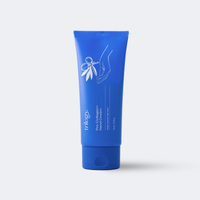
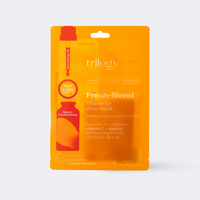
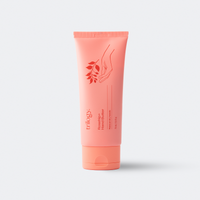
Used after the Fresh Face Gel Cleanser and before the Spotless Serum, Clear Up Toner is designed to be swept over the skin — with extra attention to the T-zone — morning and evening, helping to balance oil-prone areas without the drying, rebound-triggering effect of a traditional alcohol-based toner. It's one piece of a four-step routine built entirely around gentle, non-stripping ingredients suited to a developing skin barrier.
Frequently Asked Questions
Is all alcohol in skincare bad for my tween's skin?
No — fatty alcohols like cetyl or stearyl alcohol are actually moisturizing and are not a concern. The type to avoid is drying alcohol, often listed as "alcohol denat." or "SD alcohol," especially near the top of an ingredient list.
Does Clear Up Toner really count as alcohol-free if it contains benzyl alcohol?
Benzyl alcohol serves a different purpose from the ethanol-based alcohols commonly used in traditional toners. In Dewy's Clear Up Toner, it is used in small amounts as a preservative rather than to create a drying or mattifying effect.
My tween's skin feels tight and "squeaky clean" right after using an alcohol-based toner — isn't that a sign it's working?
That tight, "squeaky clean" feeling is actually a sign the skin has been over-dried, not necessarily that oil has been effectively managed. Over time, this can trigger the skin to produce more oil to compensate.
Can switching from an alcohol-based toner to an alcohol-free one cause a temporary adjustment period?
It's possible for skin to take a week or two to rebalance after switching products, but most kids don't experience significant adjustment issues moving to a gentler, alcohol-free formula.
Is toner even a necessary step, or can it be skipped?
Toner isn't strictly mandatory, but a gentle, alcohol-free version can add helpful hydration and oil-balancing benefits as part of a simple routine, particularly for the T-zone.
Are alcohol-free toners less effective at controlling oil than alcohol-based ones?
Not necessarily — alcohol-free toners built around ingredients like natural purifiers and gentle humectants can help manage oil and support skin balance without the drying trade-off of alcohol-based formulas.
How can I tell if a toner is alcohol-free just by looking at the ingredient list?
Check for "alcohol denat.," "SD alcohol," or "isopropyl alcohol" — if none of these appear, and the product isn't marketed with a strong astringent or "mattifying" claim, it's likely alcohol-free. Many brands also state "alcohol-free" directly on the front label.
Is it safe for my tween to use toner both morning and night?
Yes, for a gentle, alcohol-free toner, twice-daily use as part of a full routine is generally appropriate and is how these products are formulated to be used.