Big changes in how much or what you eat often show up in your skin first: drier patches, a duller tone, tightness after cleansing, or skin that looks a little less bouncy. Your skin barrier relies on protein, healthy fats, water and micronutrients to stay resilient, so when intake drops, it tends to feel it.
A barrier-first routine with fatty acids, humectants and antioxidants can help skin stay comfortable while your body adjusts. Here’s why the changes happen and what helps.
Key Takeaways
• Eating less, cutting out food groups or losing weight quickly can leave skin drier, duller and less resilient.
• Your skin barrier is built from lipids (ceramides, cholesterol and fatty acids) that depend partly on what you eat.
• Linoleic acid, an omega-6 essential fatty acid found in cold-pressed rosehip seed oil, is a key building block of the skin barrier.
• Humectants such as hyaluronic acid draw water into the skin’s surface; oils and creams help reduce moisture loss.
• Skincare supports comfort and appearance. It doesn’t replace adequate protein, fluids or medical guidance.
Why Does Eating Less Affect Your Skin?
Skin is constantly renewing itself and rebuilding its protective barrier. That work needs raw materials: protein for structure, essential fatty acids for barrier lipids, and vitamins such as C for collagen production.
When you eat significantly less, whether through a new eating plan, a lower appetite or a change in medication, the supply of those raw materials can dip. Skin often responds with dryness, flaking, sensitivity or a flatter, less radiant look.
Rapid weight change adds another layer. Skin that has been stretched over time doesn’t always tighten at the same pace the body changes, which can make it look softer or less firm, especially on the face and neck. We cover that in detail in our guide to supporting skin elasticity and barrier health after weight loss.
What Skin Changes Are Common When Your Diet Changes?
The table below matches common changes with what’s often behind them, and the kind of skincare support that tends to help.
|
What you notice |
What’s often behind it |
Skincare that may help |
|
Dry, tight or flaky skin |
Fewer dietary fats and lower fluid intake, weakening barrier lipids |
Fatty-acid-rich face oil, a ceramide moisturizer, gentle cream cleanser |
|
Dull, tired-looking tone |
Slower cell renewal and fewer antioxidants in the diet |
Vitamin C, gentle exfoliation once or twice a week |
|
Skin looks less plump or bouncy |
Lower water content in skin, change in facial volume |
Hyaluronic acid serum layered under a moisturizer |
|
New sensitivity or redness |
A compromised barrier letting irritants in more easily |
Fragrance-light, minimal routine; pause strong actives |
|
Dry body skin |
Same barrier changes, plus hot showers and drying soaps |
Lukewarm water, mild body wash, body oil on damp skin |
Does Drinking More Water Help Dry Skin?
Drinking enough water matters for your overall health, but extra glasses won’t fix dry skin on their own if you’re already well hydrated. Surface dryness is mostly about how well your barrier holds on to moisture.
That’s where topical care earns its place. Humectants like hyaluronic acid pull water into the outer layers of skin, and oils and creams slow the rate it evaporates. If your appetite or thirst cues have changed, keeping fluids up still supports skin from the inside.
Which Nutrients Matter for Skin?
Protein provides the amino acids skin uses to build collagen and keratin. Essential fatty acids, especially linoleic acid and alpha-linolenic acid, help form the lipid layer that keeps skin supple and protected.
Vitamin C is a required cofactor in collagen production, and zinc and vitamin A both play roles in normal skin renewal. If you’re eating much less than usual, a doctor or registered dietitian can help you check you’re still meeting your needs before you change your diet or add supplements.
How to Adjust Your Skincare Routine When Your Diet Changes
Think “repair and protect” rather than “treat”. A shorter routine with barrier-friendly ingredients is usually kinder than adding several new actives at once.
Morning: gentle cleanse, vitamin C, hyaluronic acid serum, moisturizer, then a broad-spectrum SPF 30 or higher as the last step - reapplied throughout the day as directed.
Evening: cream or oil cleanser, hyaluronic acid serum on damp skin, a few drops of rosehip oil, then moisturizer.
Body: lukewarm showers, a mild body wash, and a body oil pressed into damp skin straight after.
Introduce one new product at a time and patch test first. Some benefits, like comfort and softness, can show up early; visible changes in texture and radiance build with consistent use.
What About Weight-Loss Medications?
GLP-1 medications have made rapid weight loss much more common, and with it, more conversations about skin changes. The same principles apply whatever the cause: support the barrier, keep skin hydrated, protect it from the sun and be patient.
If you’re taking a weight-loss medication and notice skin changes that concern you, speak with your prescribing doctor. They can look at your overall nutrition and health, not just your skin.
Trilogy’s Barrier-First Picks
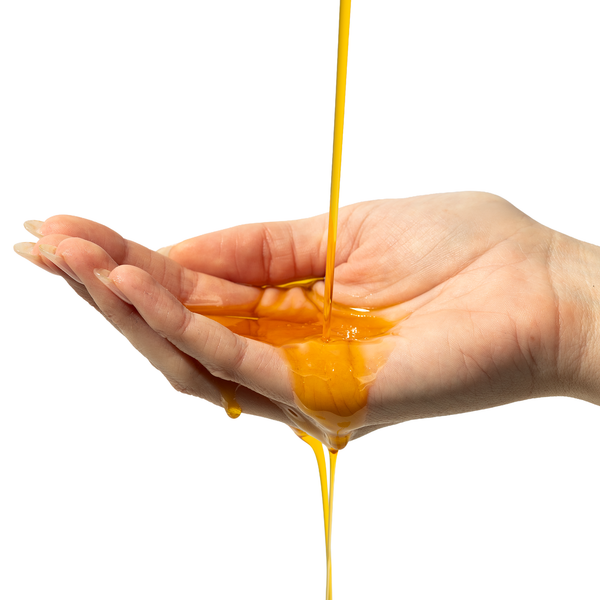
• Certified Organic Rosehip Oil: cold-pressed from the seeds of the wild rose (Rosa canina), naturally rich in linoleic and alpha-linolenic acids to help nourish dry, tight skin.
• Rosehip Oil Antioxidant+: our rosehip oil with an added plant antioxidant blend, a good step up if dullness is your main concern.
• Hyaluronic Acid+ Ultra Serum: three types of plant-derived hyaluronic acid to draw in moisture under your moisturizer.
• Vitamin C+ Booster: a fresh-activated vitamin C course to help brighten a tired-looking tone - use as directed on pack.
• Very Gentle Moisturising Cream: a calm, comforting moisturizer for skin that has turned more sensitive.
• Pure Plant Body Oil: sweet almond, apricot kernel and rosehip seed oils to soften dry body skin.
Not sure where to start? Take our skin quiz or read more about skin barrier health and how to support it.
Frequently Asked Questions
Can eating less cause dry skin? Yes, it can. Eating significantly less can reduce your intake of protein, essential fatty acids and fluids, which your skin uses to maintain its protective barrier. When that barrier weakens, skin loses moisture faster and can feel dry, tight or flaky. A barrier-supporting routine with oils and humectants can help while your diet settles.
Why does my skin look dull after losing weight? Dullness after weight loss can come from slower cell renewal, lower water content in the skin and fewer antioxidants in the diet. Dead skin cells build up and reflect less light. Gentle exfoliation once or twice a week, vitamin C and consistent hydration can help skin look brighter.
Does drinking water help dry skin? Drinking enough water supports overall health, but extra water won’t fix surface dryness on its own if you’re already well hydrated. Dry skin is mostly about how well your skin barrier holds moisture. Hyaluronic acid draws water into the skin, while oils and creams help reduce moisture loss.
What is the best oil for dry skin from dieting? Rosehip seed oil is a popular choice because it’s naturally rich in linoleic and alpha-linolenic acids, fatty acids the skin uses to build its barrier. It absorbs quickly and suits most skin types. Apply a few drops to damp skin in the evening, then follow with moisturizer if you need extra comfort.
Can low protein affect your skin? Yes. Protein supplies the amino acids your body uses to make collagen and keratin, both important for skin structure and renewal. Very low protein intake over time can contribute to dryness and slower repair. If you’ve reduced how much you eat, a doctor or registered dietitian can help you check your protein needs.
How long does it take skin to recover after a diet change? It varies from person to person. Comfort and softness often improve early once you support the barrier, while visible changes in texture and radiance build with consistent use over time. Steady nutrition, daily sun protection and a simple routine you can stick to may all help.
Should I see a doctor about skin changes on a GLP-1 medication? If skin changes concern you while taking a GLP-1 or any weight-loss medication, speak with your prescribing doctor. They can review your overall nutrition and health alongside your skin. Skincare can support comfort and appearance, but it isn’t a substitute for personalized medical advice.
This article is for general educational purposes only and isn’t medical or nutritional advice. Speak with your doctor, prescribing doctor or a registered dietitian about changes to your diet, medication or any health concerns.